
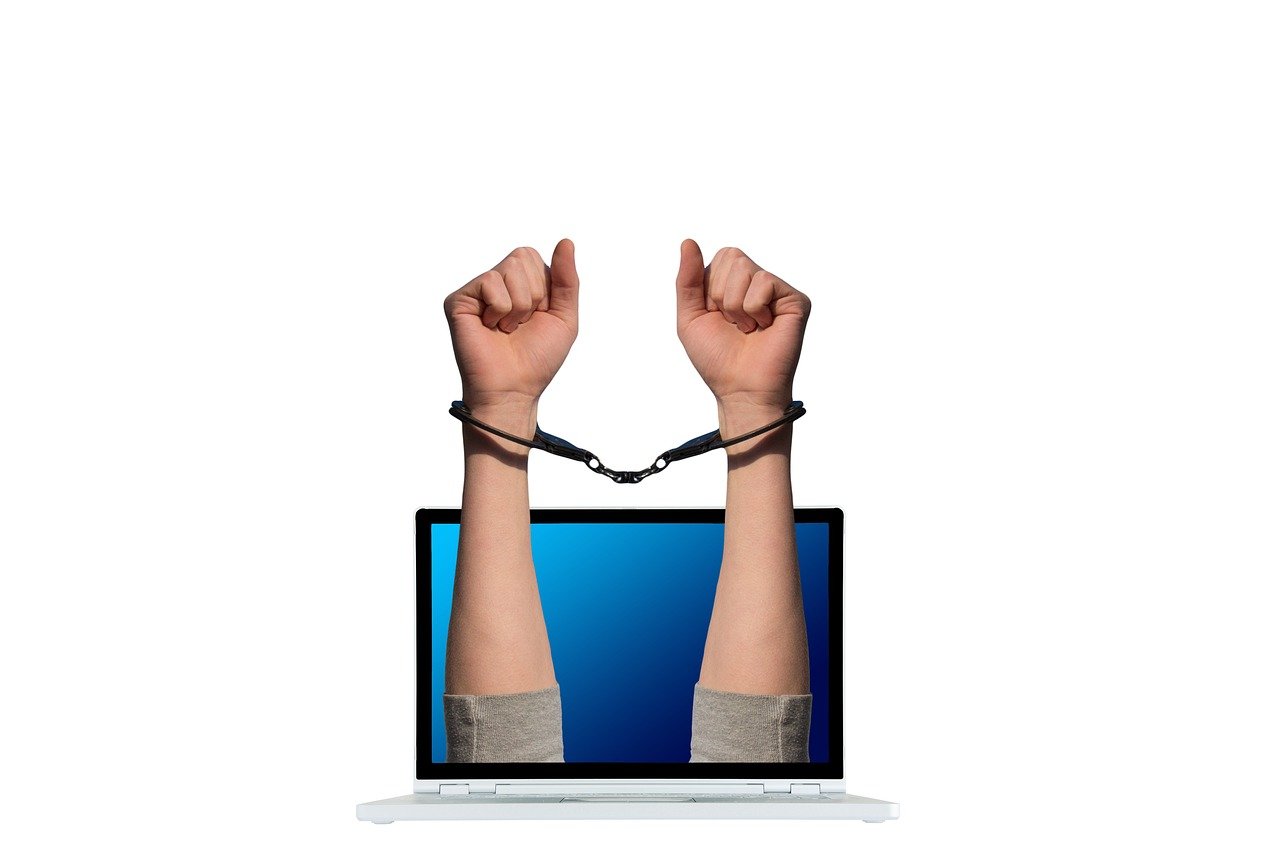
Think cyberattacks only happen to big corporations? Think again. In 2025, 43% of all cyberattacks targeted small businesses and independent professionals — and freelancers are among the most vulnerable. You hold client data, process payments, and manage sensitive information, all while typically operating without the security infrastructure of a larger company.
Cyber liability insurance (also called cyber risk insurance or cybersecurity insurance) protects your freelance business when things go wrong online. Whether it’s a data breach, a hacked email account, or a lawsuit over a client’s compromised information, this coverage can mean the difference between a manageable setback and financial ruin.
What Is Cyber Liability Insurance?
Cyber liability insurance is a specialized policy that covers costs associated with cyber incidents. For freelancers, it typically includes two types of coverage:
First-Party Coverage (Protects You Directly)
- Data breach response costs: Forensic investigation, legal fees, notification costs, and credit monitoring for affected individuals
- Business interruption: Lost income if a cyber attack prevents you from working
- Cyber extortion: Ransomware payments and negotiation costs
- Data recovery: Costs to restore or recreate lost or damaged digital assets
- Crisis management: PR and reputation repair after a public breach
Third-Party Coverage (Protects You from Claims)
- Liability for client data breaches: If client data stored on your systems is compromised
- Network security liability: Claims that your systems were the entry point for an attack on a client
- Privacy liability: Violations of privacy laws (GDPR, CCPA, HIPAA)
- Media liability: Copyright infringement, defamation, or libel in your digital content
- Regulatory fines and penalties: Government investigations and compliance costs
Why Freelancers Are Specifically at Risk
Freelancers face a unique combination of risk factors that make cyber incidents particularly damaging:
You hold sensitive client data. Tax documents, financial records, login credentials, strategic business plans — as a freelancer, you likely have access to information that cybercriminals would pay good money for.
Your security is probably basic. Unlike corporations with dedicated IT teams, most freelancers rely on consumer-grade antivirus software and hope for the best. This makes you an easier target.
One breach can destroy your reputation. As a freelancer, your reputation is your business. If clients lose trust because you couldn’t protect their data, the damage extends far beyond the immediate financial costs.
You may be contractually required to carry it. An increasing number of enterprise clients now require freelancers and contractors to carry cyber liability coverage. This is especially common in healthcare, finance, and tech industries.
Real-World Scenarios: What Could Go Wrong
Scenario 1: The Phishing Attack
A client receives what appears to be an invoice from you — but it’s actually a phishing email sent from a spoofed address. The client clicks a link and enters their banking credentials. The attacker drains their account.
Without cyber insurance: Your client sues you for negligence. You pay legal defense costs out of pocket ($15,000-$50,000) plus any settlement or judgment.
With cyber insurance: Your policy covers legal defense, settlements, and any regulatory penalties. Total out-of-pocket cost: your deductible ($500-$2,500).
Scenario 2: The Ransomware Attack
Your laptop gets infected with ransomware. All your client files, project deliverables, and financial records are encrypted. The attacker demands $2,000 in Bitcoin for the decryption key.
Without cyber insurance: You pay the ransom (with no guarantee of getting your files back), or you lose everything and spend weeks recreating work. Either way, you’re out thousands in lost income.
With cyber insurance: The policy covers ransomware payments, data recovery costs, and business interruption losses while you get back on your feet.
Scenario 3: The Accidental Data Leak
You accidentally send a file containing one client’s confidential information to a different client. The receiving client shares it with others, and the information spreads.
Without cyber insurance: The affected client sues for breach of confidentiality. Legal costs alone could exceed $20,000.
With cyber insurance: Your policy covers the legal defense and any resulting damages or settlements.
How Much Does Cyber Liability Insurance Cost for Freelancers?
Cyber liability insurance is more affordable than most freelancers expect. Here are typical costs in 2026:
| Coverage Level | Annual Premium | Typical Deductible | Best For |
|---|---|---|---|
| Basic ($250K coverage) | $300-$600/year | $500-$1,000 | Solo freelancers with minimal client data |
| Standard ($500K-$1M) | $600-$1,200/year | $1,000-$2,500 | Freelancers handling sensitive data regularly |
| Comprehensive ($1M-$5M) | $1,200-$3,000/year | $2,500-$5,000 | Freelancers in healthcare, finance, or tech |
For most solo freelancers, a basic policy in the $400-$600 range provides meaningful protection without breaking the bank.
Best Cyber Liability Insurance Providers for Freelancers
> 💡 **Managing freelance finances?** [Wise](https://wise.com/invite/dnsc/linghuangz) offers low-cost international transfers and multi-currency accounts.
[AFFILIATE: hiscox]
Hiscox is one of the most popular choices for freelancers and solo professionals. Their cyber liability policies are specifically designed for small businesses and independent contractors.
Highlights: Fast online quotes, coverage starting at $100,000, includes data breach response services, and covers social engineering fraud.
[AFFILIATE: next-insurance]
Next Insurance offers affordable cyber liability coverage bundled with general liability and professional liability in a single policy. Their application takes about 10 minutes.
Highlights: Bundled policies save money, fast approval (often same-day), and policies tailored to specific freelance professions.
[AFFILIATE: cyberpolicy]
CyberPolicy specializes in cyber insurance for small businesses and freelancers. They compare quotes from multiple carriers to find the best coverage at the lowest price.
Highlights: Comparison shopping, cyber-specific expertise, and coverage options for unique freelance risks.
What to Look for in a Cyber Liability Policy
Not all cyber liability policies are created equal. When evaluating options, make sure the policy includes:
- First-party AND third-party coverage: Many basic policies only cover one type. You need both.
- Social engineering fraud: Protects you when someone tricks you (or your clients) into voluntarily transferring money or data.
- Regulatory defense and penalties: Covers costs of responding to investigations by data protection authorities.
- Business interruption coverage: Compensates for lost income when a cyber incident prevents you from working.
- Incident response services: Access to forensic investigators, legal counsel, and PR firms when a breach occurs.
- Retrospective coverage: Covers breaches that occurred before the policy was issued but weren’t discovered until after.
Cyber Insurance vs. General Liability: What’s the Difference?
Many freelancers assume their general liability policy covers cyber incidents. It doesn’t. Here’s the key distinction:
- General liability: Covers bodily injury, property damage, and advertising injury (like libel in printed materials)
- Cyber liability: Covers data breaches, network security failures, privacy violations, and digital media issues
If a client trips over your laptop bag at a meeting, that’s general liability. If your laptop gets hacked and the client’s customer database is stolen, that’s cyber liability. You likely need both.
Practical Steps to Reduce Your Cyber Risk (and Your Premium)
Insurance is a safety net, not a substitute for good security practices. Insurers also reward freelancers who take cybersecurity seriously with lower premiums:
- Use multi-factor authentication (MFA) on all business accounts
- Encrypt sensitive files both in transit and at rest
- Use a password manager to create and store strong, unique passwords
- Keep software updated: Operating system, antivirus, and all business applications
- Back up data regularly: Maintain offline or cloud backups of all critical files
- Limit data collection: Only collect and store client data you absolutely need
- Train yourself: Stay informed about common phishing tactics and social engineering attacks
The Bottom Line
Cyber liability insurance isn’t paranoia — it’s prudence. As a freelancer handling client data and operating online, you’re a target. The question isn’t whether you’ll face a cyber incident, but when. A $400-$600 annual policy can protect you from tens of thousands in losses and preserve the reputation you’ve worked so hard to build.
Review your current insurance coverage today. If cyber liability isn’t included, getting a quote takes less than 15 minutes — and it might be the most important business decision you make this year.
Disclosure: This article contains affiliate links. If you purchase through these links, we may earn a commission at no additional cost to you. Insurance availability and pricing vary by state and individual circumstances. Always verify coverage details directly with the insurer.




Leave A Comment